
 By Magnolia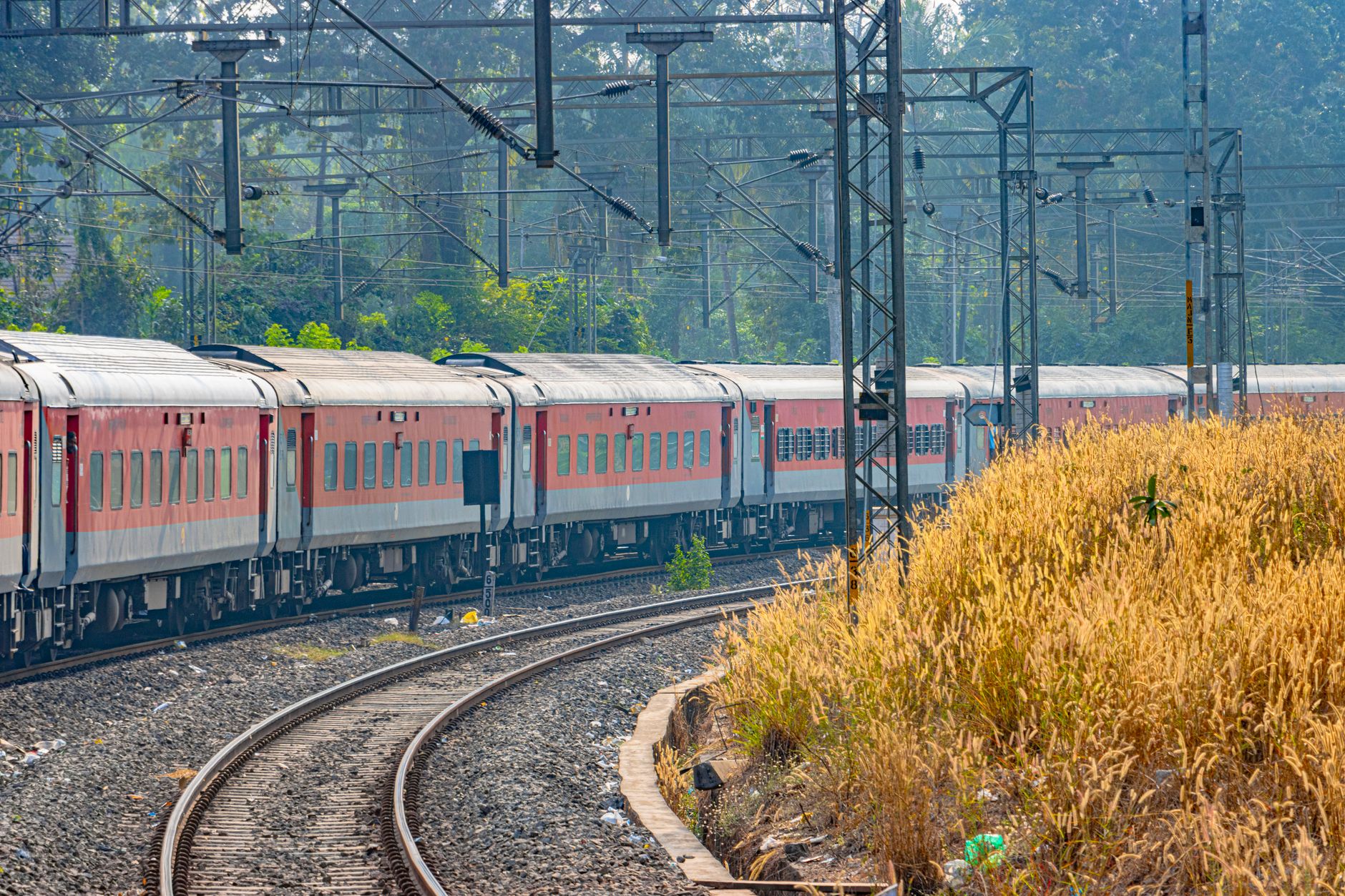
Indian Railways projects are receiving a significant boost with an investment of ₹895 crore. This funding aims to enhance infrastructure and improve overall services.
Overview of Indian Railways Projects
Indian Railways has recently approved a series of projects aimed at revitalizing its infrastructure, with a substantial investment of ₹895 crore. This initiative is part of a broader strategy to enhance the efficiency and capacity of the rail network across the country. The focus is not just on expanding existing facilities, but also on implementing cutting-edge technology to improve passenger experience and operational performance.
The projects encompass a variety of upgrades, including:
- Station Redevelopment: Modernizing platforms and amenities to provide a better experience for travelers.
- Track Electrification: Enhancing the electrification of railway lines to promote sustainable travel and reduce dependency on fossil fuels.
- Safety Improvements: Introducing advanced signaling systems to ensure safer operations.
- New Rolling Stock: Investing in modern trains that offer greater speed and comfort.
While these Indian Railways projects promise significant improvements, their effectiveness will depend on timely execution and management. Stakeholders are keen to see how these initiatives will impact not just the economy, but also the daily lives of millions who rely on the railways for transportation. The question remains: are these investments truly worth the commitment, or will they fall short of expectations?
Impact on Infrastructure Development
The recent announcement by Indian Railways regarding the sanctioning of projects worth ₹895 crore aims to significantly enhance the infrastructure development across various regions. This investment is expected to not only improve the efficiency of train operations but also foster regional connectivity.
One of the key impacts of these Indian Railways projects is the upgrade of existing railway stations. Modernized facilities will provide passengers with enhanced amenities, making travel more comfortable and efficient. Furthermore, the improvement in signaling systems is poised to increase the safety and reliability of train services.
Another important aspect is the focus on electrification. By expanding electrified routes, Indian Railways aims to reduce dependence on fossil fuels, contributing to a more sustainable transport system. This shift not only lowers operational costs but also minimizes environmental impact.
Additionally, the construction of new railway lines will facilitate easier access to remote areas, promoting economic development in previously underserved regions. Local businesses are expected to benefit from increased trade opportunities, thereby stimulating local economies.
In summary, the investment in Indian Railways projects is poised to have a profound effect on infrastructure development, enhancing connectivity, safety, and sustainability across the nation.
Funding Breakdown of ₹895 Crore
The recent approval of projects worth ₹895 crore by Indian Railways has sparked discussions regarding the allocation of funds and the anticipated outcomes. This substantial investment is primarily aimed at enhancing the existing infrastructure and ensuring the modernization of railway services across the country.
According to the breakdown of the funding, the allocation will be directed towards several key areas:
- Track Upgradation: A significant portion of the funds will be used for the renewal and strengthening of tracks to improve safety and allow for higher speeds.
- Station Development: Upgrading facilities at various railway stations is a priority, with plans for better amenities and accessibility for passengers.
- Electrification Projects: Aimed at reducing dependency on fossil fuels, these initiatives will contribute to a greener and more sustainable railway network.
- Signaling Modernization: Investments will enhance the signaling systems, ensuring better train operations and minimizing delays.
As Indian Railways continues to embark on these ambitious projects, stakeholders are keenly observing whether the investments will yield the desired improvements in service quality and operational efficiency. The success of these Indian Railways projects could set a precedent for future funding and development endeavors in the transportation sector.
Benefits for Passengers and Freight
The recent Indian Railways projects sanctioned for ₹895 crore are set to offer significant benefits for both passengers and freight services. These enhancements are designed to improve the overall travel experience while also boosting cargo transport efficiency.
For passengers, the improvements include:
- Enhanced Comfort: Upgraded train coaches and waiting areas will provide a more pleasant journey.
- Reduced Travel Time: Streamlined operations and better scheduling will lead to quicker arrivals and departures.
- Increased Safety Measures: Implementation of modern safety systems aims to minimize accidents and improve overall security.
For freight services, the advantages are equally promising:
- Higher Capacity: Modernized freight corridors will allow for more goods to be transported efficiently.
- Cost-Effectiveness: Improved infrastructure will reduce operational costs for logistics companies, leading to lower prices for consumers.
- Environmental Benefits: Shifting freight transport from road to rail can significantly reduce carbon emissions, aligning with sustainability goals.
Overall, these investments in Indian Railways projects not only aim to enhance passenger experiences but also ensure that freight transportation becomes more effective and eco-friendly.
Timeline for Project Completion
The Indian Railways projects sanctioned for a total of ₹895 crore are set to transform the railway infrastructure across the country. With multiple phases planned, the timeline for completion of these projects varies based on the scale and complexity of each initiative.
Key milestones are outlined as follows:
- Phase 1: Initial groundwork and assessment, expected to be completed by March 2024. This phase includes preliminary surveys and environmental clearances.
- Phase 2: Civil construction, which is anticipated to start in April 2024 and conclude by December 2025. Major upgrades to existing tracks and the building of new stations will be undertaken during this period.
- Phase 3: Integration of advanced technology and systems, scheduled to begin in January 2026 and finish by June 2027. This phase will focus on enhancing safety and operational efficiency.
As these Indian Railways projects progress, stakeholders will closely monitor the adherence to timelines, as timely completion is crucial for realizing the anticipated benefits. Delays could impact not only passenger services but also the broader economic implications associated with improved rail infrastructure.
Challenges in Implementation
Despite the ambitious nature of Indian Railways projects, several challenges hinder their smooth implementation. One significant issue is the complexity of land acquisition. Securing the necessary land for railway expansion often leads to lengthy legal disputes and delays. Many projects face opposition from local communities concerned about displacement and environmental impacts, complicating the acquisition process.
Additionally, inadequate funding and budget overruns pose substantial obstacles. While the ₹895 Crore investment aims to boost infrastructure, unforeseen circumstances can lead to increased costs, forcing project managers to seek additional funding or scale back plans. The need for effective financial management is critical to avoid jeopardizing project timelines.
Furthermore, technical and logistical challenges are prevalent. Upgrading existing infrastructure requires modern technology and skilled labor, which can be difficult to source in remote areas. The integration of new systems with older ones often leads to compatibility issues, further delaying progress.
Lastly, bureaucratic red tape can slow decision-making processes, impacting project timelines. Streamlining approvals and enhancing coordination among different government bodies is essential for the success of these Indian Railways projects. Addressing these challenges will be crucial to realizing the full potential of investments aimed at modernizing the railway system.
Future Plans for Indian Railways
As Indian Railways continues to evolve, its future plans highlight a commitment to enhancing services and infrastructure. The upcoming projects aim to modernize the rail network, ensuring it meets the growing demands of passengers and freight movement. By focusing on several key areas, Indian Railways projects are set to create a more efficient and reliable transportation system.
- Electrification Initiatives: Aiming for 100% electrification of its routes, Indian Railways plans to reduce dependency on fossil fuels and enhance the sustainability of its operations.
- Station Redevelopment: Major stations across the country will be revamped, featuring advanced amenities and improved passenger experiences, thus making travel more comfortable.
- High-Speed Rail Corridors: The introduction of high-speed trains is on the agenda, promising reduced travel times and increased capacity on crowded routes.
- Digital Transformation: Emphasizing technology, Indian Railways aims to implement smart ticketing systems and real-time tracking to enhance customer satisfaction.
These future plans for Indian Railways are not merely about expansion; they represent a strategic vision to create a world-class rail network. By investing in these initiatives, Indian Railways projects can significantly boost economic growth, connectivity, and environmental sustainability across the nation.
Expert Opinions on Investment Worth
Experts in the field of transportation and infrastructure have weighed in on the recent Indian Railways projects, emphasizing the potential long-term benefits of the significant investment. According to Dr. Anil Kumar, an economist specializing in public infrastructure, “The Indian Railways projects represent a critical step towards modernizing our transport system. The enhanced connectivity will not only boost economic growth but also improve the quality of life for millions of commuters.”
Furthermore, Riya Mehta, a transportation analyst, pointed out that “Investing in these projects is crucial given the increasing demand for both passenger and freight services. The Indian Railways projects are designed to accommodate this growth and enhance operational efficiency.”
However, some experts expressed caution regarding the implementation phase. Rajesh Sharma, a seasoned infrastructure consultant, noted, “While the financial investment is significant, the real challenge lies in executing these projects on time and within budget. Delays could undermine the anticipated benefits.”
Overall, the sentiment among experts leans towards a positive outlook, provided that the Indian Railways can overcome the hurdles faced during implementation. The potential for improved infrastructure and economic development could justify the investment in the long run.
Photo by Shantum Singh on Pexels
Where this came from
You might also like
- At-Home Depression Treatment: Proven Smart Solutions for You
- iPhone price hike India: Is it the worst deal now?
- Housing Project Velampeta: Proven Hope for Residents