
 By Magnolia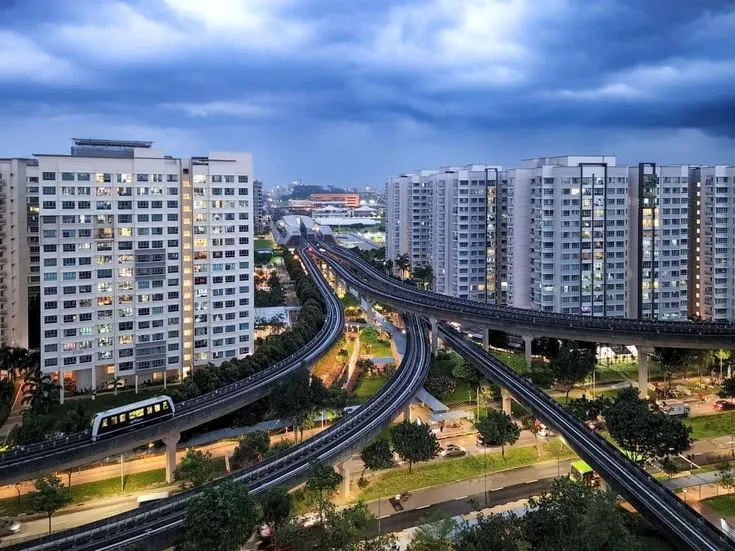
Transport is often treated as a simple distance question: how many minutes is the home from an MRT station? In practice, accessibility is more layered. The usefulness of a location depends on where the line goes, how many transfers are needed, what jobs and amenities sit nearby and whether the wider network keeps improving.
These factors can support long-term housing demand, but they do not guarantee appreciation. Entry price, future supply, unit quality and market conditions still matter. The better approach is to understand how transport changes everyday behaviour and then judge whether the purchase price already reflects that advantage.
Measure the journey people actually make
A station can be close on a map and still require a difficult walk, crowded interchange or multiple transfers. Buyers should test peak-hour travel to common destinations such as the City centre, major employment clusters, schools and family homes rather than relying only on promotional travel times.
The appeal of Dorset Gardens begins partly with its city-fringe position near Farrer Park MRT. That location may be valuable to buyers whose work and lifestyle are concentrated around central Singapore, because the benefit is repeated every weekday rather than enjoyed only during occasional trips.
Network quality matters more than a station name
A well-connected line can support demand from several employment areas, while a less direct route may serve a narrower group. Interchanges, bus links and walkable access to nearby services add resilience because residents are not dependent on one transport mode.
Buyers should also consider what happens when one part of the network is disrupted. A location with alternative bus routes, nearby roads and more than one practical travel path can remain convenient even when the fastest usual route is temporarily unavailable.
Regional hubs can reduce the need to travel south
Transport value is not only about reaching the city centre. As regional employment and commercial nodes grow, residents may find more jobs, services and leisure options closer to home. That can support demand for housing in places once judged mainly by their travel time to the city centre.
For Clovelle of Woodlands, the broader Woodlands and Thomson-East Coast Line context is therefore important. Buyers should look at how the northern region is changing, who may work nearby in future and whether daily needs can increasingly be met without crossing the island.
Future infrastructure needs a realistic timetable
Planned transport improvements can add a useful long-term story, but buyers should separate funded, announced projects from vague future possibilities. Construction can take years, and property prices may already reflect well-known infrastructure before the first train or new road opens.
A sound purchase should work under today’s network as well as tomorrow’s. If the location only feels attractive after several uncertain improvements are completed, the buyer is taking more planning risk than a home that already functions well.
Accessibility can widen the resale and rental pool
Good transport helps a property appeal to people with different work locations and schedules. That can matter at resale because the next buyer may not share the current owner’s commute. Tenants also tend to value predictable access when they are comparing several similar apartments.
Yet the premium should be tested against competing supply. If many nearby projects offer the same station access, differentiation may come from layout, age, facilities or price. Transport is a strong foundation, but it rarely works as the only reason for long-term value.
First-and-last-mile access completes the transport picture
MRT access works best when the journey to and from the station is easy. Sheltered walkways, bus connections, cycling routes and safe crossings can turn a station into a practical everyday asset, while a difficult final stretch can reduce the convenience suggested by a short map distance.
Buyers should also test late-night and weekend travel. A location that remains accessible outside peak commuting hours can appeal to a wider range of residents, including shift workers, students and households whose social lives do not follow office schedules.
Conclusion
Location and transit links influence property performance by shaping ordinary life. Shorter, more reliable journeys can sustain owner and tenant demand over many years, especially when the area also offers schools, shops, healthcare and employment.
The safest way to use transport in a buying decision is to value what exists today, assign a cautious benefit to confirmed future links and compare the premium with alternatives. Appreciation is never automatic, but useful accessibility gives a home a durable reason to remain relevant.