
 By Magnolia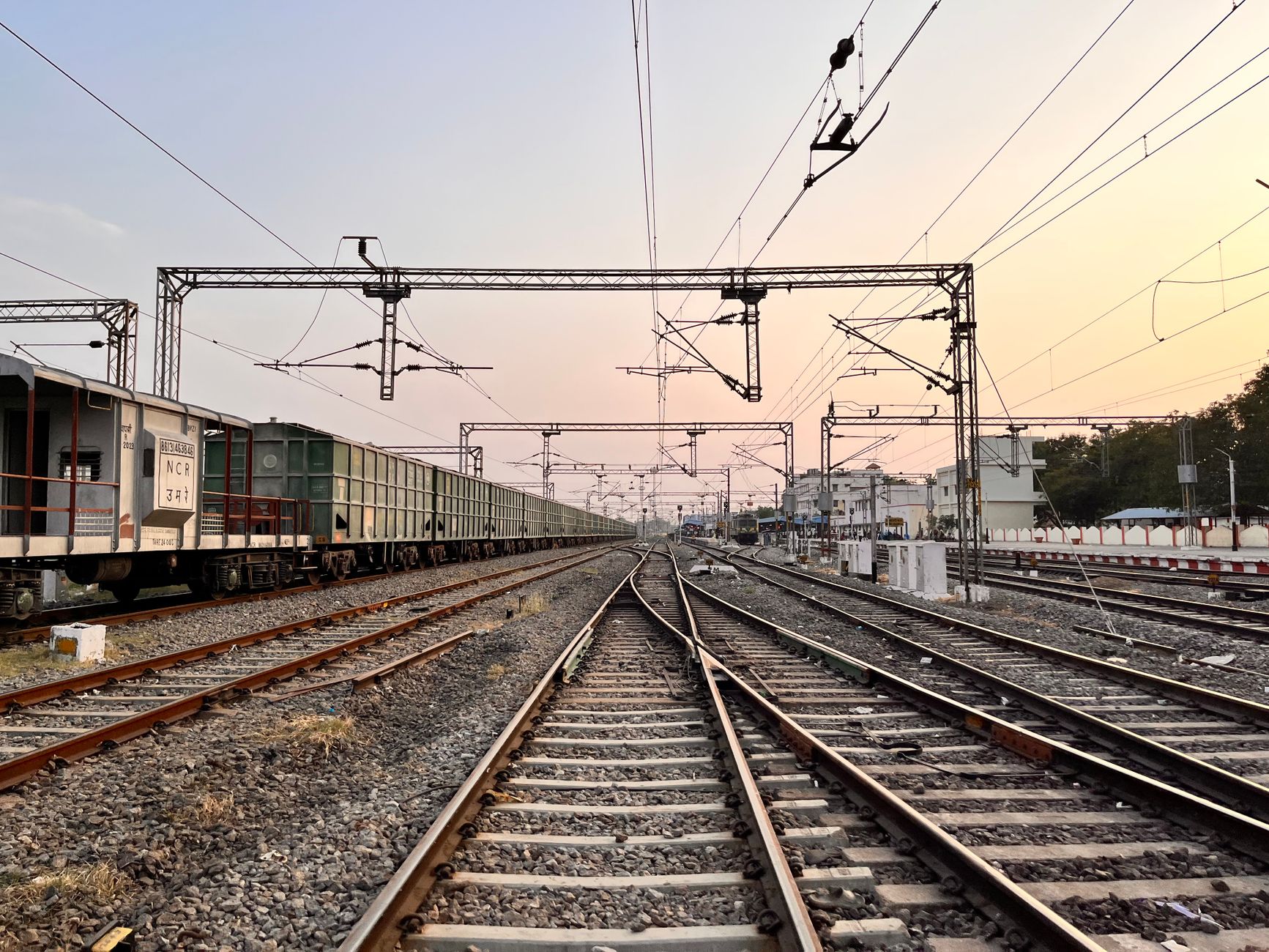
The Ghatkesar-Kazipet multitracking project has officially received the Centre’s nod, marking a significant development in regional infrastructure. This project aims to enhance connectivity and boost local economies.
Overview of the Ghatkesar-Kazipet Project
The Ghatkesar-Kazipet multitracking project has recently received approval from the Centre, marking a significant milestone in enhancing rail connectivity in the region. This project aims to upgrade the existing railway line between Ghatkesar and Kazipet, facilitating smoother and faster train operations.
Key features of the Ghatkesar-Kazipet multitracking project include:
- Increased Capacity: The project will enable the addition of multiple tracks, accommodating a higher volume of trains and reducing congestion.
- Improved Travel Times: Enhanced infrastructure is expected to lead to shorter travel durations for passengers and freight services.
- Economic Growth: By improving connectivity, the project is anticipated to spur local economic development and boost trade opportunities.
- Safety Enhancements: Upgraded signaling systems and tracks will contribute to safer rail operations.
With the growing demand for efficient transportation, the Ghatkesar-Kazipet multitracking project is poised to play a crucial role in modernizing rail services. Stakeholders believe that the investment will yield long-term benefits, not just for commuters, but also for regional development. As the project progresses, its impact on the local economy and transportation landscape will be closely monitored.
Key Benefits of the Multitracking Initiative
The Ghatkesar-Kazipet multitracking project is poised to bring several key benefits that could enhance the railway infrastructure in the region. Here are some of the notable advantages:
- Increased Capacity: The multitracking initiative is expected to significantly increase the capacity of the railway line, allowing more trains to operate simultaneously. This will lead to improved connectivity and reduced travel times for passengers.
- Enhanced Safety: With the introduction of additional tracks, there will be better separation of local and long-distance trains, which can help in reducing the likelihood of accidents.
- Economic Growth: Improved railway infrastructure can stimulate local economies by facilitating better movement of goods and services. This project could attract investments in various sectors, boosting employment opportunities.
- Environmental Benefits: By encouraging rail travel over road transport, the Ghatkesar-Kazipet multitracking project can contribute to reduced traffic congestion and lower carbon emissions.
- Convenience for Commuters: Commuters will benefit from more frequent services, making railway travel a more viable option for daily transportation.
Overall, the Ghatkesar-Kazipet multitracking project appears to be a strategic investment that could yield long-term benefits for both the region and its inhabitants.
Timeline for Project Completion
The Ghatkesar-Kazipet multitracking project is poised to significantly enhance rail connectivity in the region. According to officials, the timeline for project completion has been carefully outlined to ensure efficiency and timely delivery. The key phases of the project are as follows:
- Initial Survey and Planning: This phase commenced in early 2022, focusing on detailed surveys and assessments of the current railway infrastructure.
- Land Acquisition: Expected to be completed by mid-2023, this step involves securing land necessary for the expansion and upgrade of tracks.
- Construction Start: Construction is slated to begin in late 2023, with preliminary work on laying down new tracks and enhancing existing facilities.
- Phase-wise Development: The project will be executed in phases, with the first phase aiming for completion by the end of 2025, ensuring that critical sections are operational as soon as possible.
- Final Review and Inauguration: The project is anticipated to be fully operational by mid-2026, pending all reviews and safety checks.
Once completed, the Ghatkesar-Kazipet multitracking project is expected to revolutionize train travel in the region, improving efficiency and reducing travel times significantly.
Impact on Local Communities
The Ghatkesar-Kazipet multitracking project is set to bring significant changes to local communities along the route. Residents and businesses are preparing for both challenges and opportunities that come with such a large-scale infrastructure initiative.
One of the primary impacts of the project will be the enhancement of connectivity. The improved rail services are expected to attract more commuters, leading to increased footfall in local markets and shops. This surge in activity could provide a boost to local economies, creating new jobs and opportunities for small businesses.
However, there are also concerns regarding the disruption caused by construction activities. Local residents fear that noise, dust, and traffic diversions may temporarily affect their quality of life. It is crucial for project planners to engage with the community and address these concerns proactively.
Moreover, the Ghatkesar-Kazipet multitracking project may lead to changes in real estate dynamics. As accessibility improves, property values in the vicinity could rise, potentially benefitting existing homeowners but also raising affordability issues for new buyers.
In summary, while the Ghatkesar-Kazipet multitracking project promises economic growth, careful consideration of its impacts on local communities will be essential for ensuring a balanced approach.
Government Support and Funding
The Ghatkesar-Kazipet multitracking project has garnered significant attention not only for its potential benefits but also for the robust support it has received from the government. This initiative has been officially approved by the Centre, signaling a strong commitment to enhancing railway infrastructure in the region.
Funding for the project is a critical component of its success, with a substantial investment allocated to ensure timely completion. The financial backing includes:
- Central Government Allocation: A dedicated budget has been set aside to cover various phases of the project.
- State Government Collaboration: The state government is also contributing resources and logistics support to facilitate the project’s progress.
- Public-Private Partnerships: Engagements with private investors are being explored, potentially easing the financial burden on taxpayers.
Additionally, the government has emphasized the importance of this project in not only improving connectivity but also in stimulating local economies. Enhanced railway services are expected to attract businesses and create job opportunities in the surrounding areas.
With strong governmental support and a clear funding strategy, the Ghatkesar-Kazipet multitracking project is poised to be a transformative investment for the region, promising long-term benefits for both passengers and the local economy.
Future of Railway Infrastructure in India
The future of railway infrastructure in India is poised for significant transformation, especially with initiatives like the Ghatkesar-Kazipet multitracking project. As the country aims to modernize its transport networks, the multitracking initiative symbolizes a shift towards enhanced efficiency and connectivity.
With increasing urbanization and the need for seamless travel, the Indian railway system is under pressure to expand and innovate. The Ghatkesar-Kazipet project is a crucial step in this direction, providing a framework for similar developments across the nation. Key factors influencing the future of railway infrastructure include:
- Technological Advancements: Modern technologies are being integrated into railway systems to improve safety and efficiency.
- Sustainability: Emphasis on eco-friendly practices is becoming paramount, aligning with global trends towards sustainable transportation.
- Public-Private Partnerships: Increased collaboration between the government and private sectors can lead to more innovative solutions for infrastructure challenges.
- Regional Connectivity: Projects like Ghatkesar-Kazipet aim to enhance regional access, promoting economic growth in less developed areas.
As India progresses towards a more robust railway network, the success of initiatives like the Ghatkesar-Kazipet multitracking project will be pivotal in shaping the future of travel and trade in the country.
Photo by Mysterious Ocean on Pexels
Where this came from
IHCL Bandra House: The Best New Hotel in Mumbai · iPhone 18 Pro launch: Best Features and Updates You Need · Neighbour safety alerts: Easy and Smart features for you