
 By Ryan White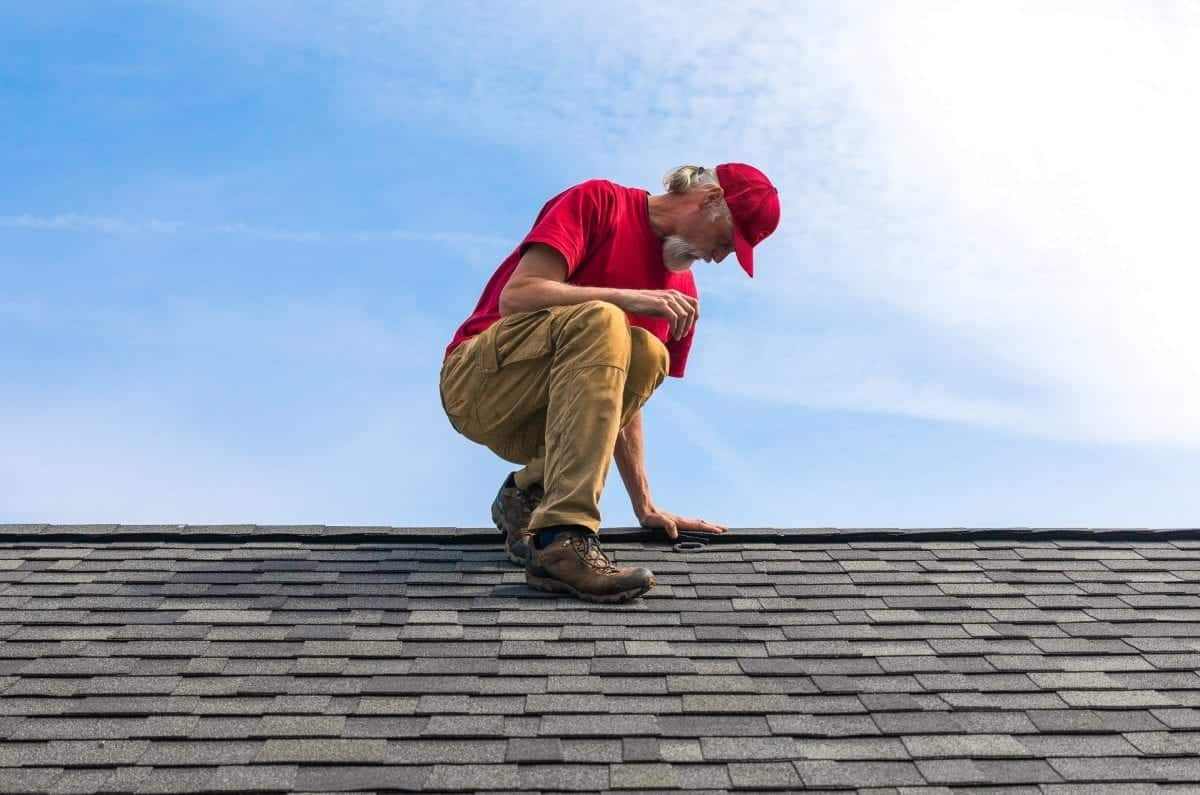
Flat roofing is becoming an increasingly popular choice for modern buildings, and for good reason. flat roofing systems offer a unique combination of practical advantages that traditional sloped roofs often can’t match. From creating usable outdoor space to providing excellent protection against the elements, flat roofs are a smart solution for many property owners.
If you’re considering a new roof, it’s worth exploring why so many architects and builders are turning to flat designs. They offer more than just a sleek, contemporary look; they deliver tangible benefits that can enhance a building’s value and functionality. Let’s look at some of the key advantages that make flat roofing a standout option.
Why are flat roofs so space-efficient?
One of the most significant benefits of a flat roof is the creation of usable space. Unlike a sloped roof, which is often unusable, a flat surface can be transformed into a valuable extension of your property.
Many property owners convert their flat roofs into rooftop gardens, outdoor lounges, or entertainment areas. This is especially beneficial in dense urban environments where private outdoor space is a rare luxury. A rooftop patio can become a private oasis for relaxing or hosting guests, significantly improving your quality of life. For commercial buildings, this space can be used for HVAC units or even as a communal terrace for employees, freeing up valuable ground-level real estate.
How do flat roofs provide strong waterproofing?
Modern flat roofing systems are engineered with advanced materials designed to offer superior protection against water intrusion. Today’s flat roofs are not perfectly level; they have a slight, almost unnoticeable slope that directs water toward drains. This design prevents water from pooling, which is a primary cause of leaks.
Materials like PVC, TPO, and EPDM form a continuous, seamless membrane across the entire roof surface. This monolithic barrier eliminates the seams and joints found in traditional shingled roofs, which are common points of failure. When professionally installed, these membranes are highly resistant to punctures, UV rays, and extreme weather, ensuring a watertight seal that can last for decades. This robust waterproofing is a key reason why flat roofs are trusted for large commercial structures.
Are flat roofs easier to install and maintain?
Generally, yes. Installing a flat roof is often faster and less labor-intensive than a sloped roof. Workers can move around more safely and easily on a flat surface, which can reduce installation time and labor costs. The materials, often rolled out in large sheets, allow for quicker coverage of the roof area.
Maintenance is also more straightforward. Inspecting a flat roof doesn’t require specialized safety equipment, making it easier to perform routine checks for damage or debris. Cleaning gutters and drains is simpler, and if repairs are needed, accessing the affected area is much less complicated. This ease of access can lead to lower maintenance costs over the life of the roof.
How do flat roofs impact energy efficiency?
Flat roofs can contribute significantly to a building’s energy efficiency. Many flat roofing materials are available in light colors, such as white or tan, which are highly reflective. These “cool roofs” reflect a significant portion of the sun’s solar energy instead of absorbing it.
By reducing heat absorption, a cool flat roof can lower the temperature inside the building, which in turn reduces the demand on air conditioning systems during hot months. This can lead to substantial savings on energy bills and a more comfortable indoor environment. Some flat roofs can also support the installation of solar panels, further enhancing a building’s energy independence and green credentials.
A Smart Choice for Modern Buildings
Flat roofing systems deliver a powerful combination of space efficiency, strong waterproofing, and long-term value. Their ability to create extra functional space while providing reliable protection against leaks makes them a compelling option for both residential and commercial properties. With easier installation, simpler maintenance, and potential energy savings, it’s clear why flat roofs are trending as a practical and stylish choice in modern construction.